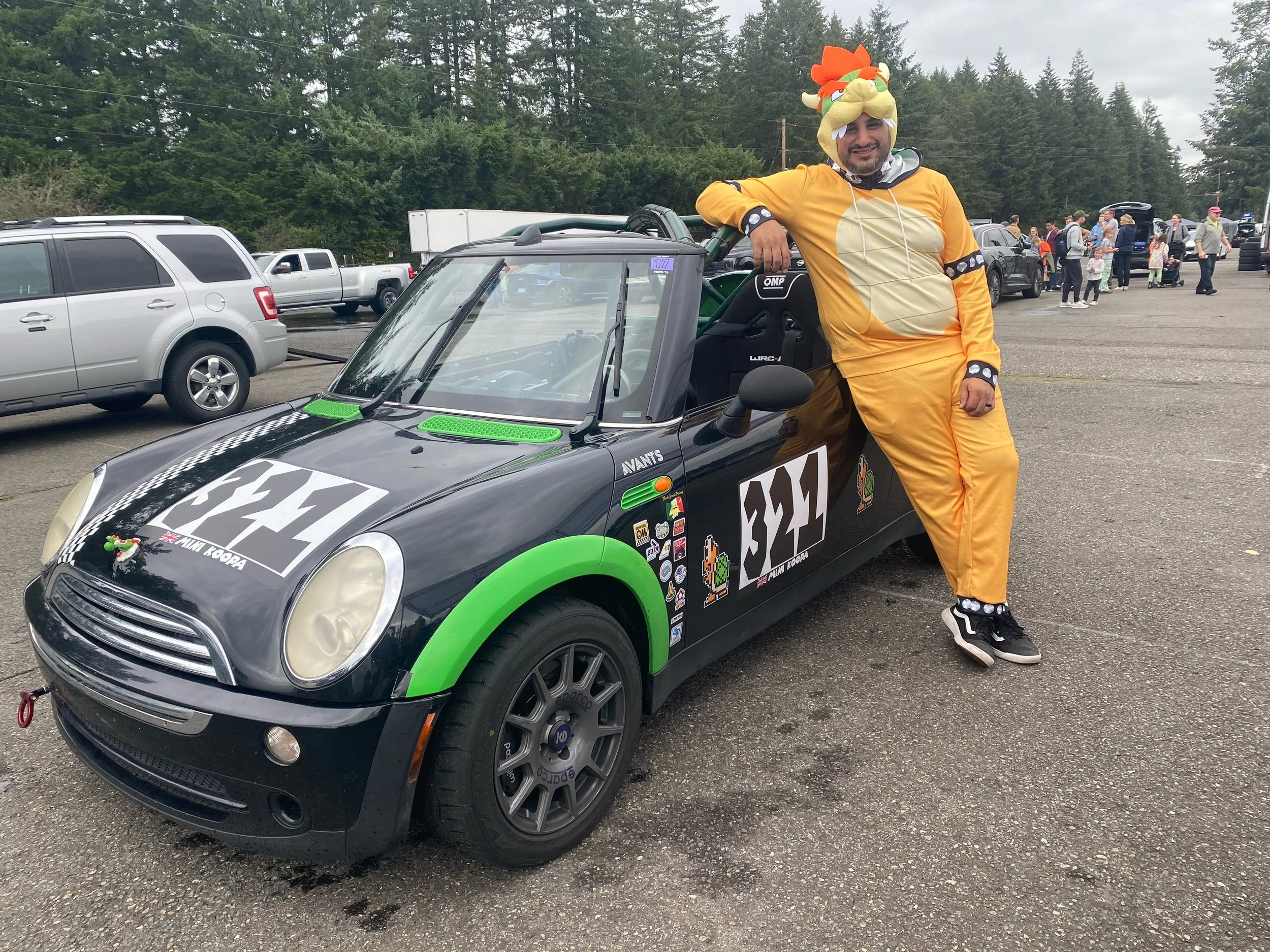
Where to start. I guess we can talk about the motivation to even take on this adventure in the first place. Lauren and I grew up around families and friends that were always into modifying cars and racing them so it felt kind of natural that we continued the cycle in our own way. After going to watch a Lemons race at The Ridge in Shelton and observing the atmosphere we knew it was a place we could see ourselves racing and it became a goal to make that happen. Next step was to decide on a platform.
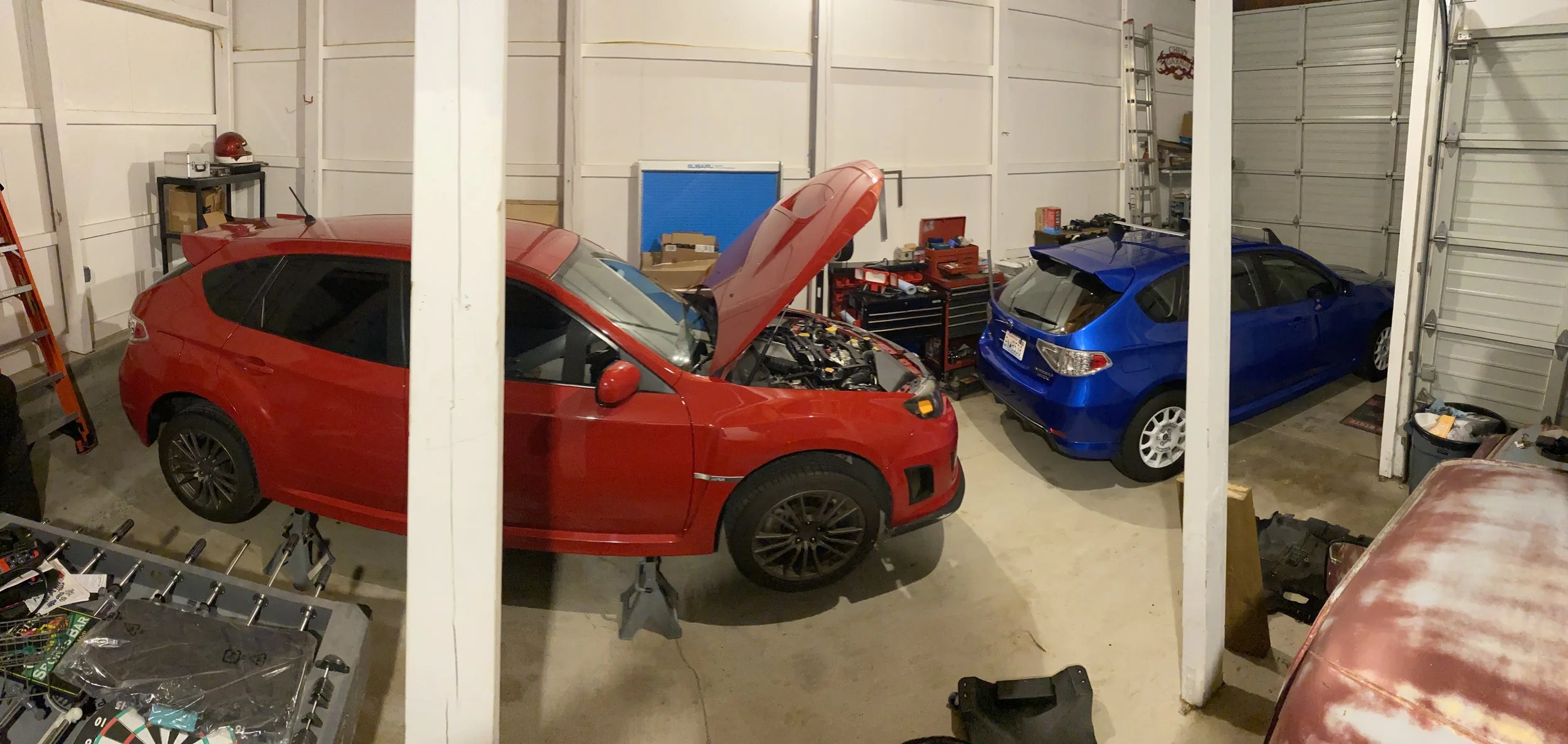
Best bet for us was something lightweight to minimize the operating cost and something that was fairly available so when we needed spare parts we could easily find them at a junkyard. Rules for Lemons are you have to meet a $500 budget for getting an operating vehicle by buying it cheap or selling stuff from it to make it cheaper. The other hurdle was about fitting our drivers comfortably, seeing as Lauren is 5’5” and I am 6’3”. Honda was one of the platforms I was already familiar with having worked on my own ‘93 Civic hatchback after college and there were some options out there that were already caged but not for this specific series so they could have had some scrutineering issues that we didn’t want to risk. One car that Lauren had when we first met that fit our goals was the Mini Cooper. Surprisingly spacious, fairly familiar, and astonishingly available, just not for $500.
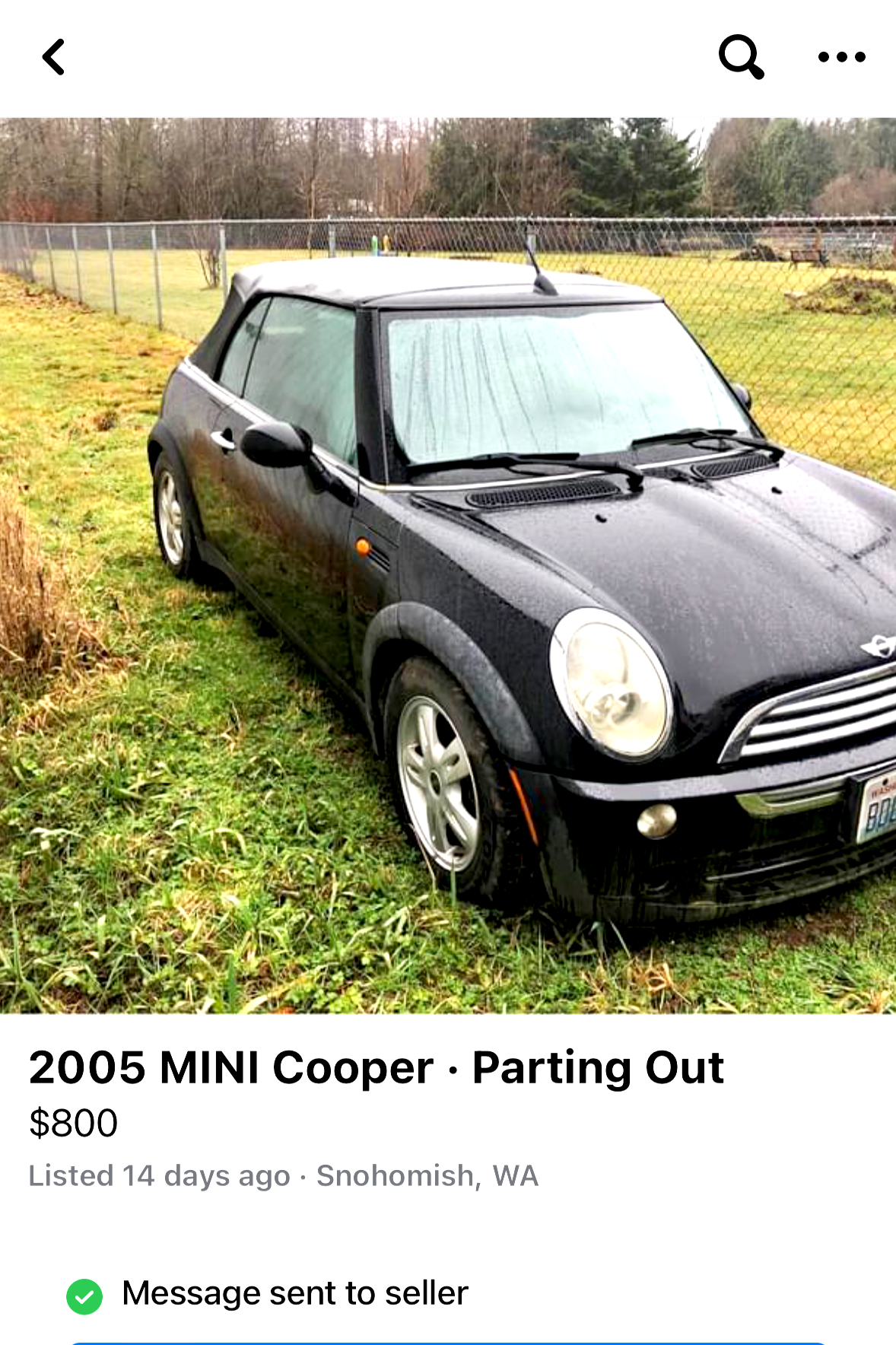
After searching around the internet (and mostly Facebook Marketplace) we landed on a Mini Cooper convertible that had been wasting away behind someones shop. Windows slightly open and a cabin full of water and mold. The main mechanical issue was that alternator had gone bad so we took it for a short drive around the neighborhood and decided it was the one. I parked it at a friends nearby after purchasing it until I could trailer it home. After getting it home the real fun began.
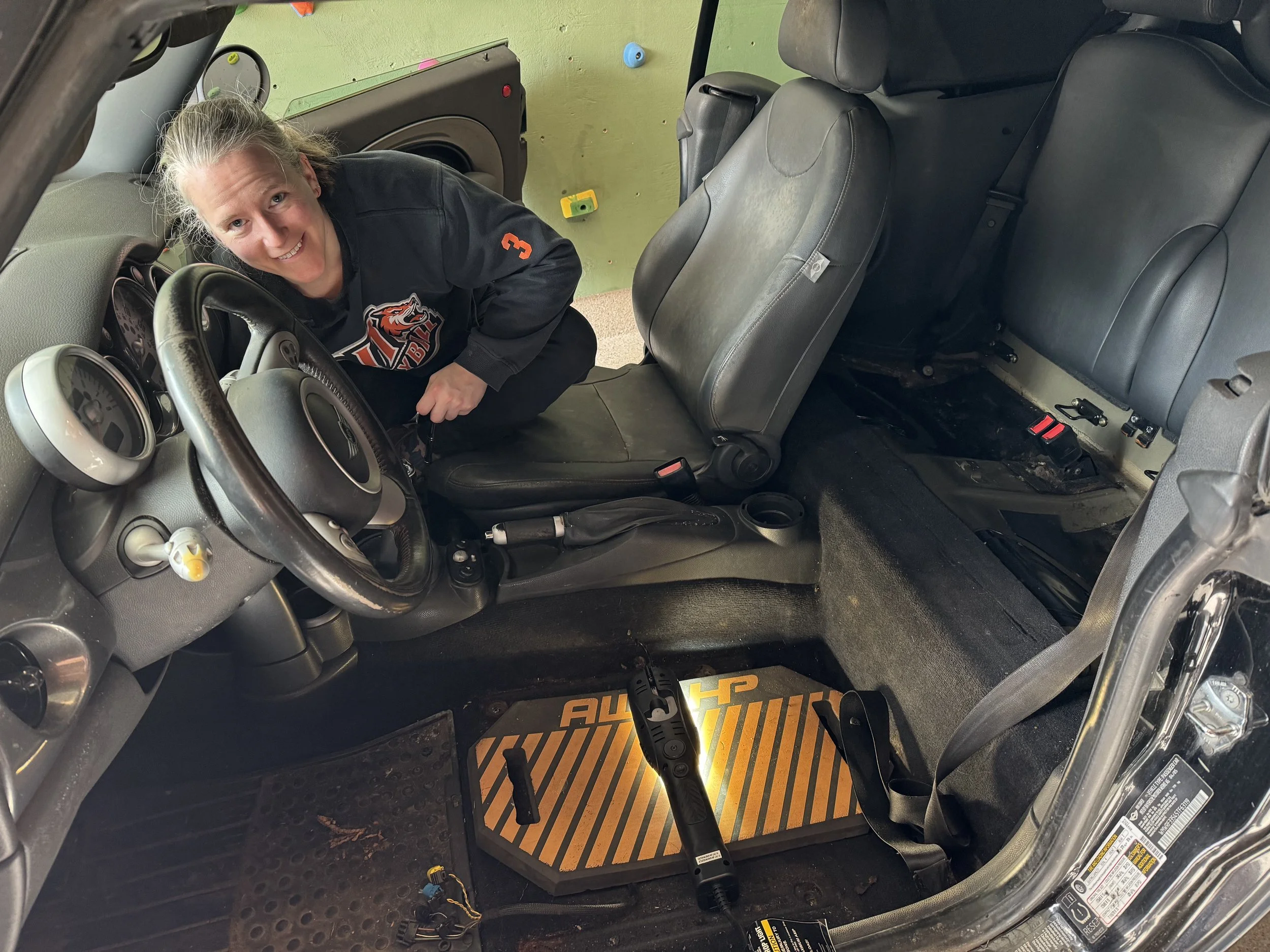
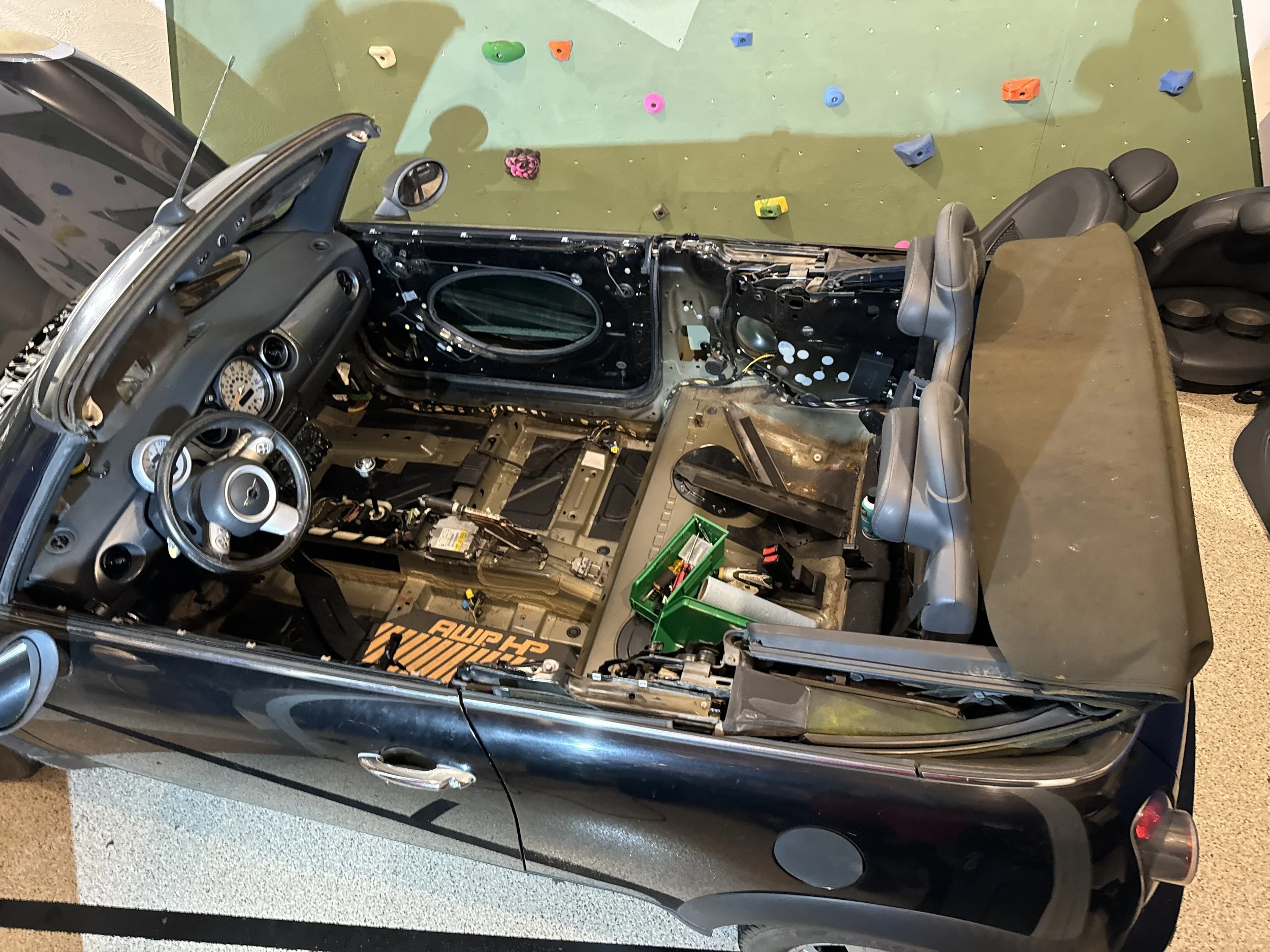
The teardown was the first time Lauren and I spent a ton of time working on a garage project together and it was a really fun learning experience. We found that the majority of the items were pretty far gone but the frame and engine bay looked solid. The spare tire underneath the rear area was the main space that looked like it had been dragged through the mud (and probably still does). After removing the majority of the interior items gently we caved and ripping out sections of carpet and dash pieces. At first we were hoping to sell bits and pieces but towards the end it became more of a get-it-out-of-there-however-you-can situation.
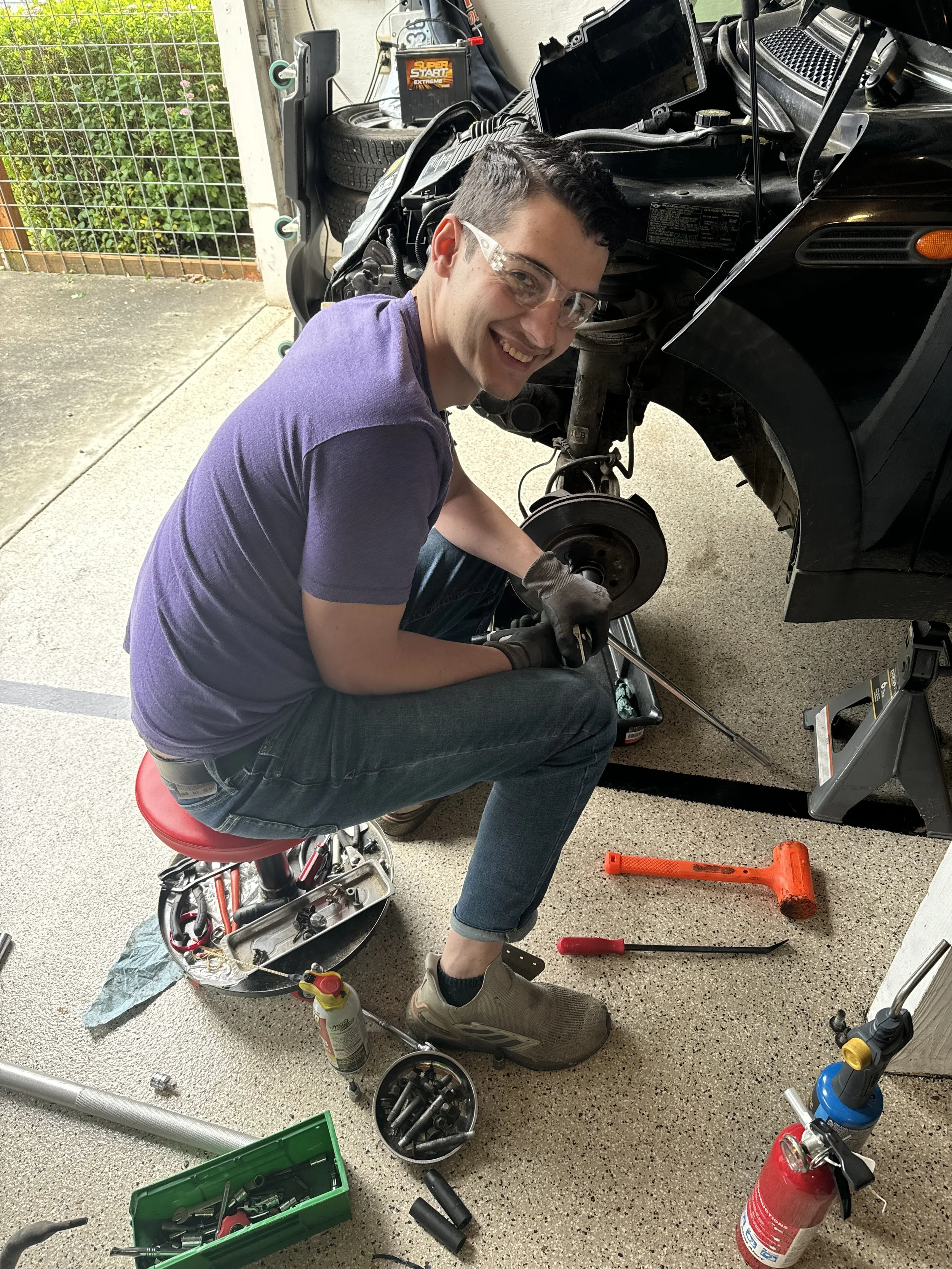
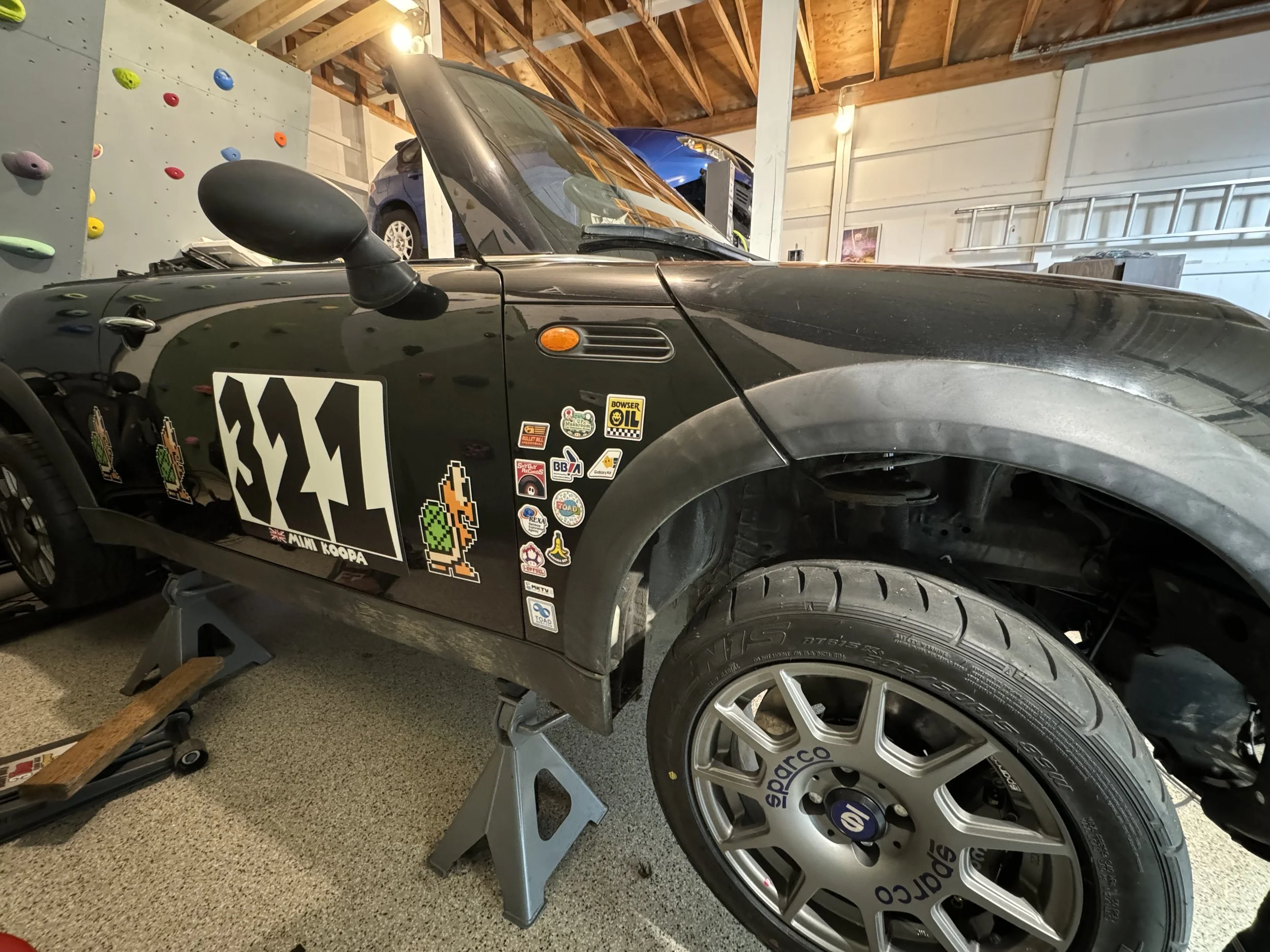
Putting race car parts in it afterwards made the build start to feel real. Setting up the racing seat and throwing wheels and big front brakes on it (all considered safety/ driver comfort so not part of the $500 budget) made us super excited to get the car to the point of racing. Big thanks to Nash from the Nachofriends Lemons team helping us out with the Wilwood brake install. At this point we had been discussing different themes and decided we would go with the popular (and easy to complete) theme of the Mini Koopa, covering it in 8 bit Koopa turtles and lots of random Mario Kart things.
Next step was the cage install but just before sending it to 425 Motorsports for their fabrication expertise Billy and I thought we’d try tackling the wiring harness, trimming some of the no longer needed portions from it. Instead we stayed up way too late trimming out more than we should have, making the car into a roller instead of a running vehicle, JUST before dropping it off at the shop. 425 Motorsports was still able to complete the cage install but it meant a panic rush to replace the wiring harness after we got the car back as we only had a couple weeks to the inaugural race. 425 Motorsports did an amazing job with the mounting points as well as creating a custom roof line for our Mini convertible to allow for plenty of headroom for taller drivers such as myself. 425 Motorsports also installed our fire suppression system for us since we were not confident we’d have enough time to figure it out once we had the car back.
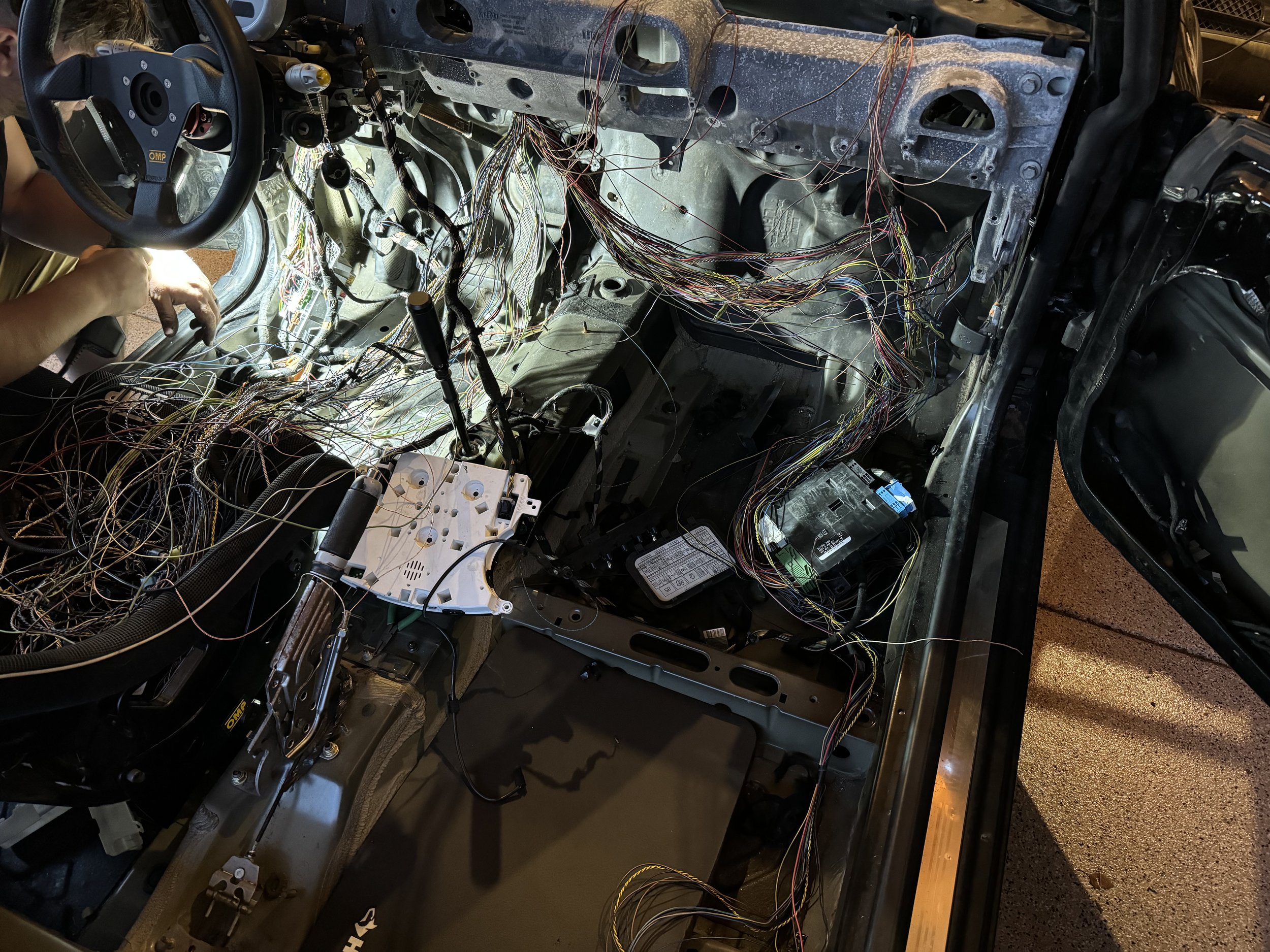
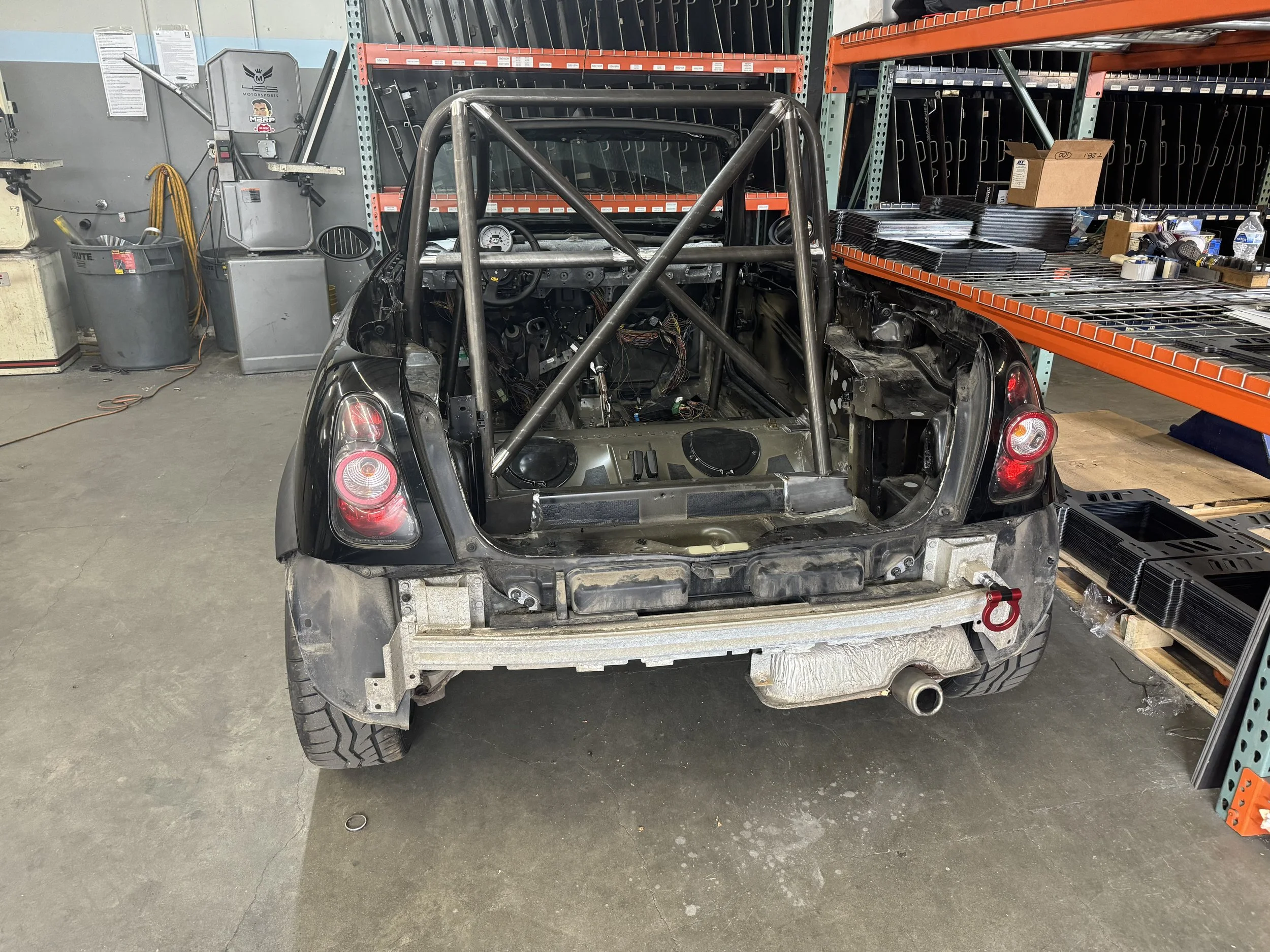
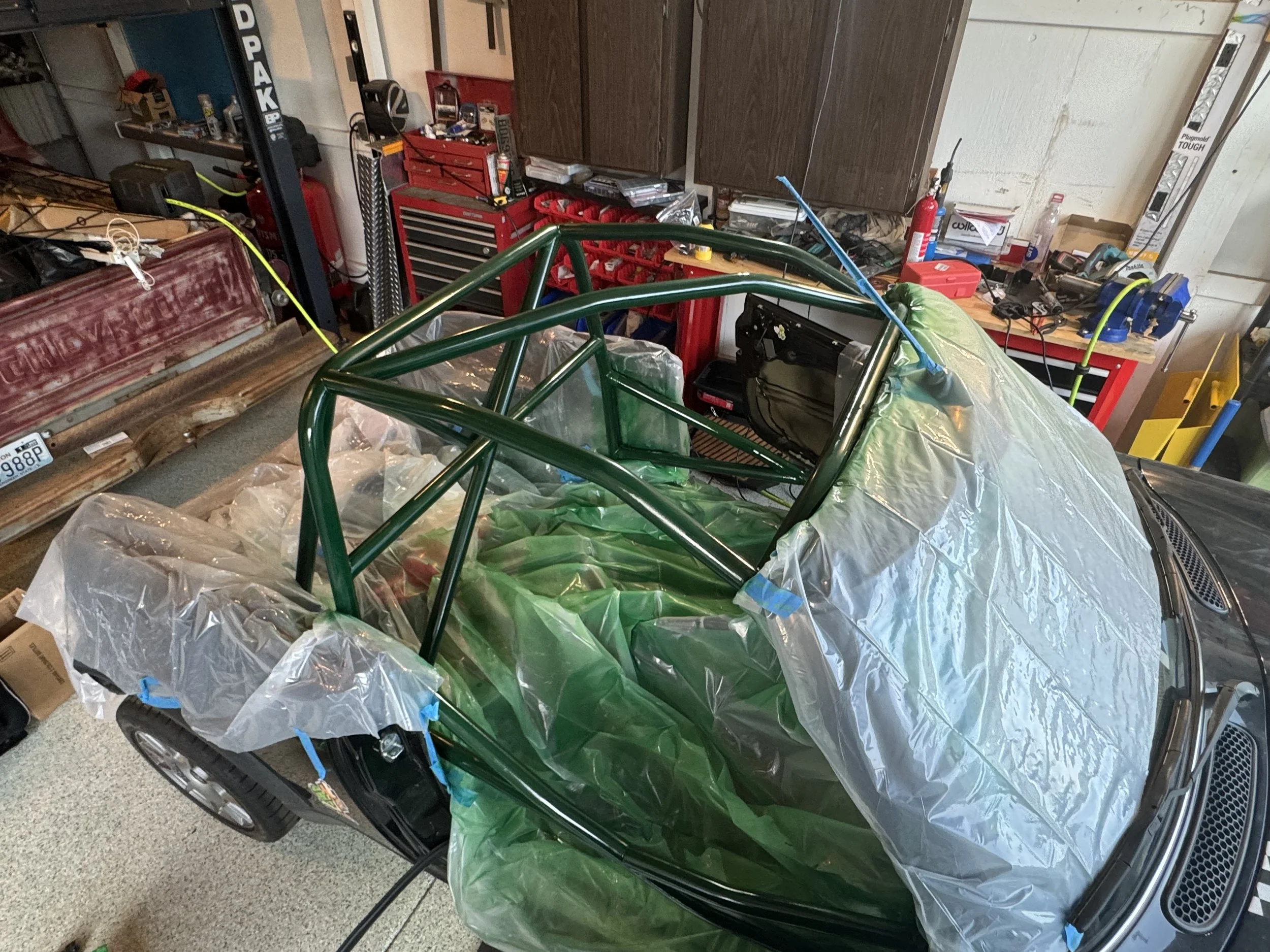
Once we had the car back, I took all the pictures of the cage for future judges questions (which never really came) and painted it up a forest green color to match the theme. After ordering the wrong wiring harness, the fastest option we could figure out was to buy a second running Mini Cooper (this time a coupe instead of a convertible) to get the wiring harness we needed. At this point it was the week before the race and we were getting very worried about the fact that we hadn’t been able to restart the car. After removing another Mini interior, labeling the wiring harness at every spot as we unplugged it, removing the rats nest of wires that was the original race car wiring harness, and installing the new one it was time to start the car… and it didn’t.
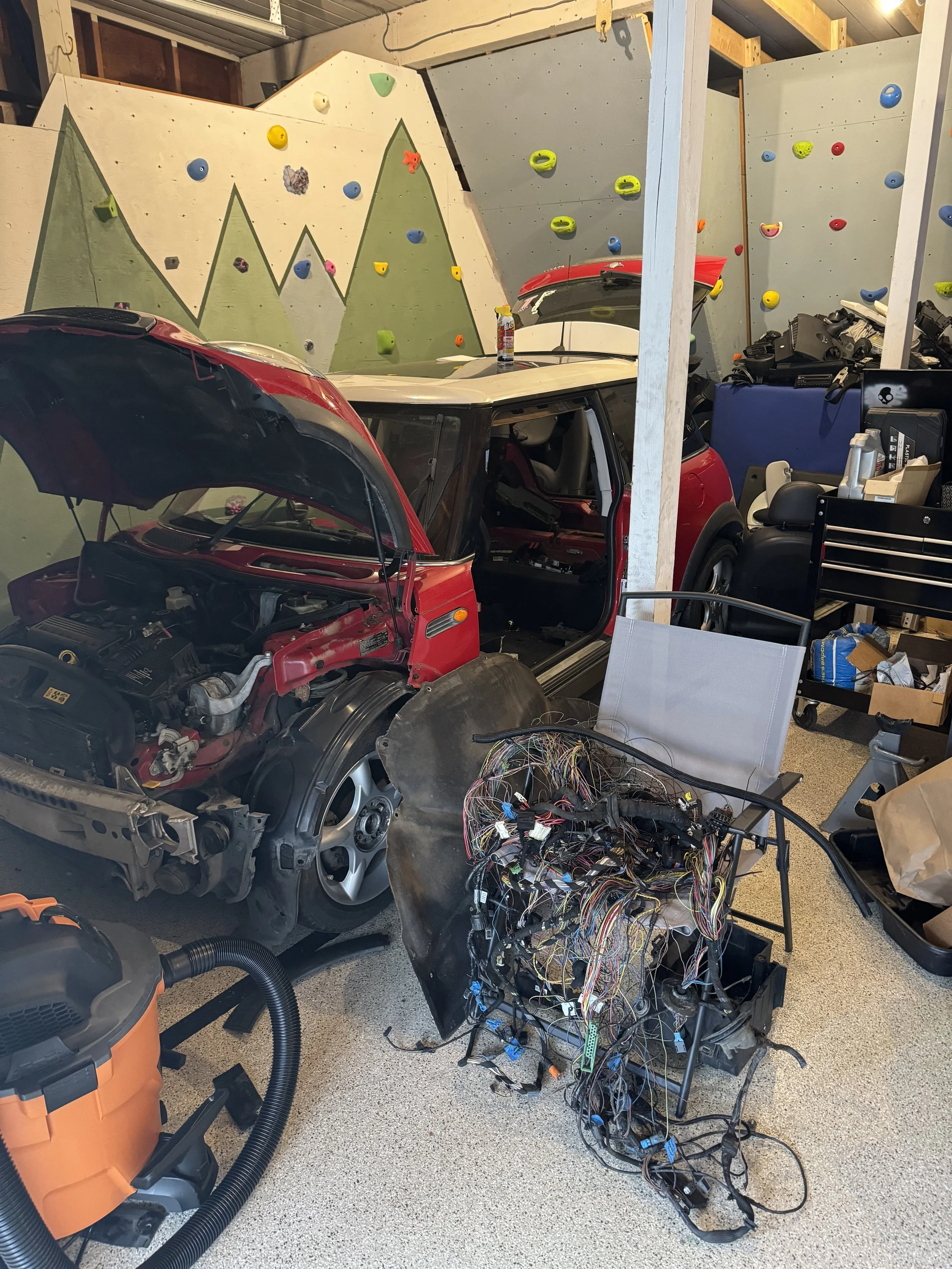
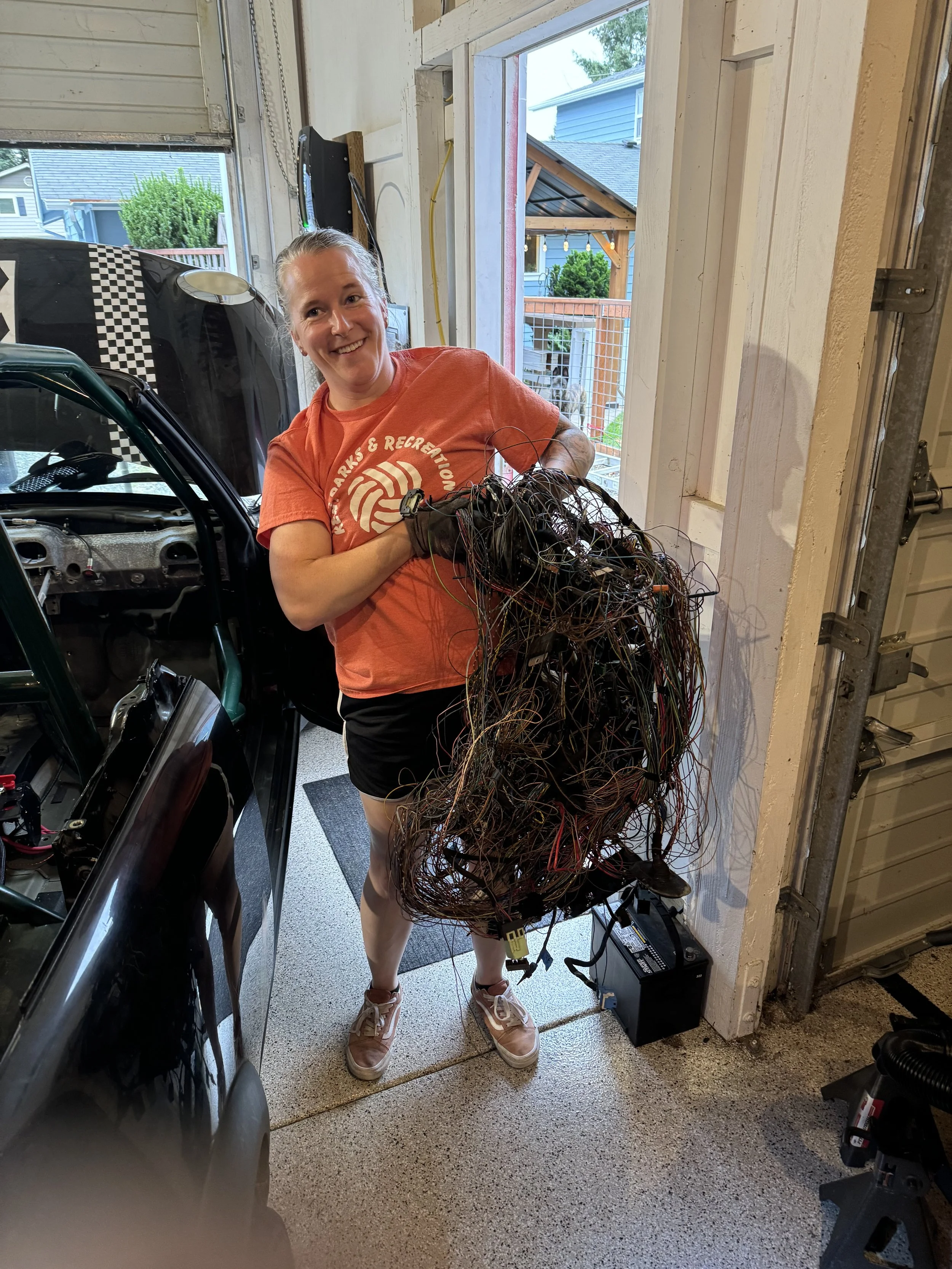
Initially the motor wouldn’t even spin but after playing with the electronic immobilizer we were able to turn the motor over but was still not firing up. We borrowed a friend’s computer with the BMW diagnostic software on it to then get paragraphs of codes that the car was throwing, which we deciphered and were able to narrow it down to the clutch position sensor not being plugged in properly. And finally on the Wednesday night before the race we got to hear the beautiful noise of the car starting after months of being a rolling brick. Tears of joy and beer were had but we still had to finish the final touches before taking it to the track. We added even more neon green to the car, finished cleaning up the wiring harness, changed the fire suppression pull location for the drivers to be able to reach it better, mounted the rear view mirror on the cage, and prayed over the car that it would pass tech and hold together the entire race. Now it was time to go racing!